
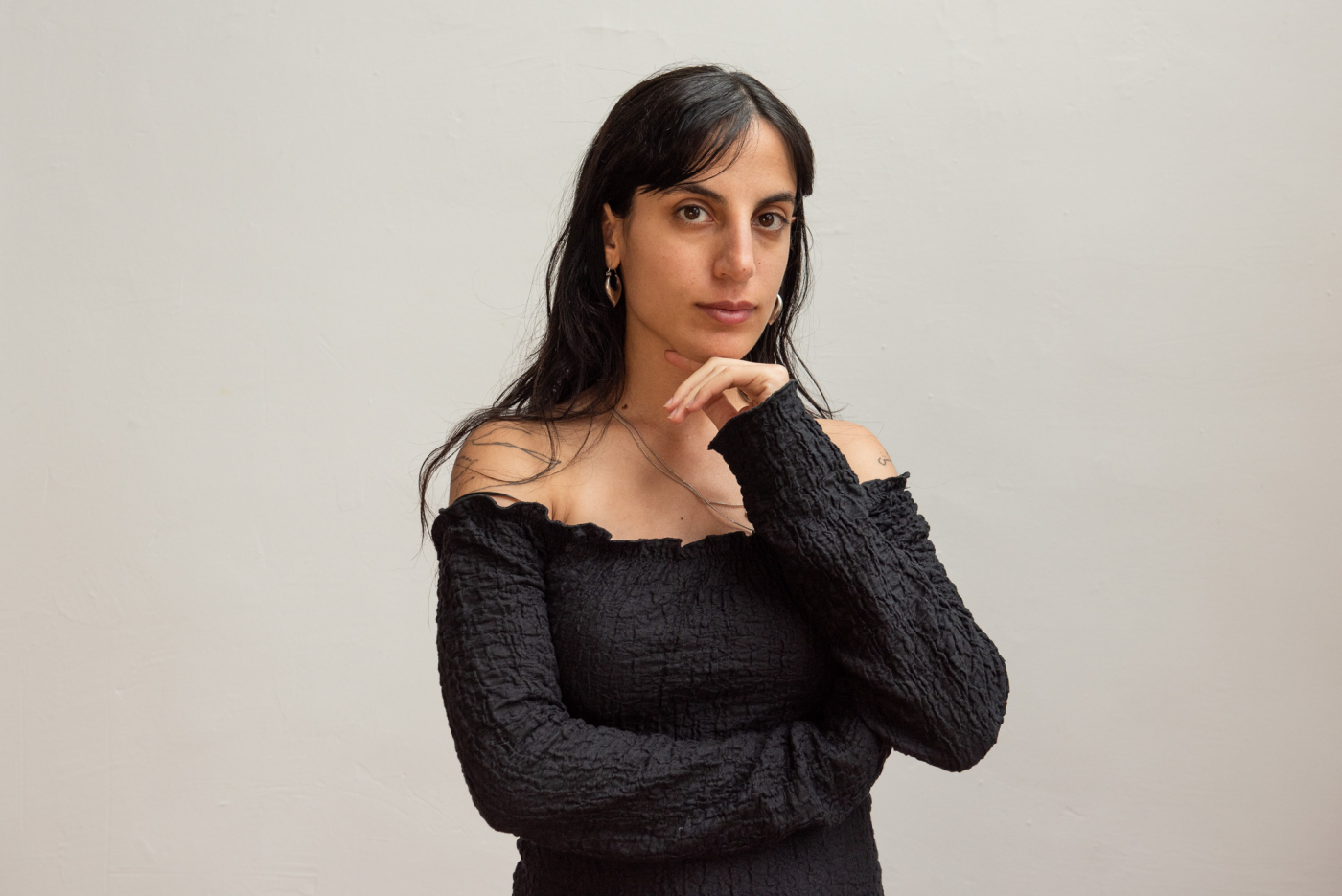
Anne SHITRIT SIMIN
Photographer
Anne received a grant as part of the “Emerging Artists from Here and Elsewhere” program initiated with the association Thanks for Nothing.
What is your artistic background?
My artistic background is rooted in a kind of subtle knowledge I absorbed at home and from my parents. Before they became religious, both of them were involved in art — my father in painting and my mother in photography. So I believe this connection to art is deeply tied to my existential roots, to the way I look at the world, inhabit it, and try to make sense of my place within it.
At the age of 19, I realized I wanted to study art formally. I completed my Bachelor’s degree in Jerusalem and then continued with a Master’s degree at the Beaux-Arts de Paris, graduating with honors. My aspiration is to keep growing within the artistic discourse and to explore themes that concern me on a global level. Moving between Jerusalem and Paris feels like the best way to both look inward and articulate outwardly through my work — especially through photography.
How do you view your profession today?
As someone who grew up in a very closed community, the dream of developing myself as a woman and as an artist — beyond the limits of the ultra-Orthodox world and within the academic sphere — once seemed almost impossible. Completing my Master’s degree with honors at the Beaux-Arts in Paris showed me that any goal I set for myself is achievable. This understanding drives me to keep dreaming, to keep creating projects I deeply believe in, and to recognize the social impact my work can have.
One thing I’ve realized is that coming from such a complex and distant place — so far removed from the mainstream art discourse — gives me a unique position within the field. It allows me to bring a different perspective, to build a kind of bridge through my gaze and my practice.
Whether I’m working in the West Bank, Morocco, or along the border with Iran, the motivation is the same: to connect remote or overlooked places to a broader, more global understanding — just as I myself came from a closed, unfamiliar background into a more complex, open dialogue. Through this, I hope to inspire others on their own journeys to dream, to expand, and to open themselves to more nuanced conversations.
In the coming years, I hope to deepen this impact — through lectures, teaching, or mentoring — and my plan now is to continue toward a PhD at a school in France.
How do you see yourself in 5 years? In 10 years?
In the next five years, I hope to be well into my PhD studies and to be working on another in-depth project that I’m still dreaming about — probably related to the sea and my father’s past as a seaman, and to journeys between continents, identities shaped by wandering, and the tension between belonging and not belonging.
In ten years, I see myself with my own studio, passing on the strength and tools I’ve gained to others — whether through teaching, mentoring, or being more socially engaged through art.
I know there are many girls — or people, human beings like me — who once sat at home at ten, eleven, twelve years old and dreamed dreams that seemed impossible.Coming from poverty, from a social and religious place where my identity was often marginalized, and being a woman within that, I faced many walls I had to break through. One of my deepest goals is to give back that strength — to be someone who can offer others what I myself once needed. At the same time, I’m deeply connected to the academic world and want to keep dreaming and growing within it.
Ever since I was a child, I knew that art would be my laboratory for exploring the world — and I know I will always continue this exploration. I’m open to many mediums beyond photography, but photography will probably always be the home I return to.
Interview conducted in 2025
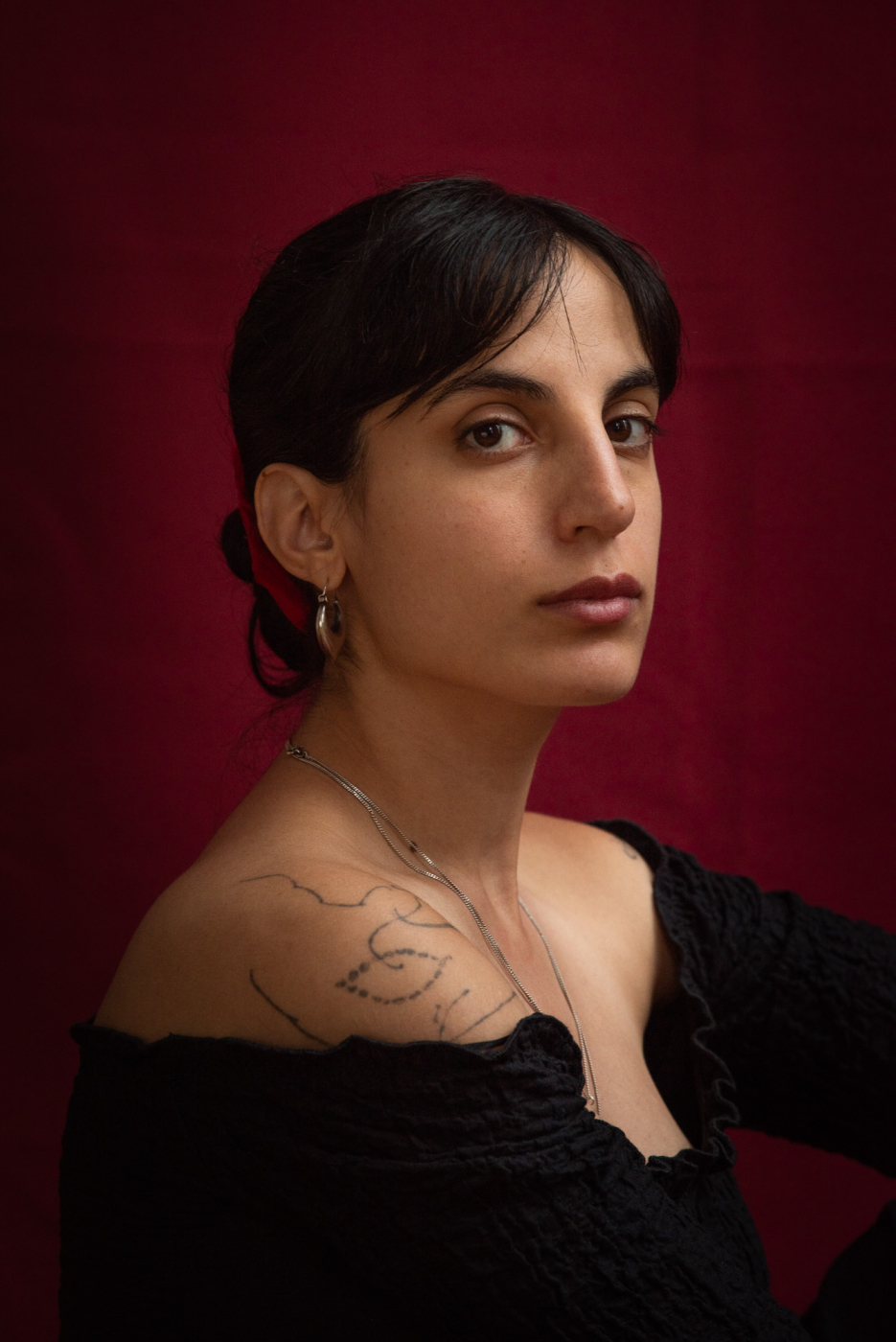
Photographs taken in 2025 by Isabelle Chapuis